Recognizing LLCs: Key Details for Business Owners and Entrepreneur
An LLC, or Limited Responsibility Business, is a popular business structure chosen by several entrepreneurs as a result of its versatility and defense benefits. This entity incorporates the pass-through taxes of a collaboration or sole proprietorship with the minimal obligation of a corporation, making it an eye-catching choice for tiny to medium-sized companies. LLCs are authorized by state laws, and the needs for forming an LLC vary from state to state. Generally, the process involves filing a document, frequently called the Articles of Company, with a state's organization registration entity and paying a declaring charge. While an LLC can shield individual assets from organization obligations under a lot of conditions, it is necessary to keep the correct separation in between personal and service funds to guarantee this security is efficient.
The administration structure of an LLC is highly adaptable. Participants can pick to take care of the company themselves, referred to as member-managed, or they can appoint supervisors to deal with the daily operations, known as manager-managed. This adaptability permits the participants to customize the administration according to their skills, experience, and the service's requirements. Home Page of an LLC is the capability to pick how it is taxed. By default, LLCs are treated as pass-through entities for tax objectives, implying the company itself does not pay tax obligations on service earnings. Instead, the earnings and losses of business “pass through” to the participants' individual tax returns. Nonetheless, an LLC can additionally choose to be taxed as a company if it would certainly be much more advantageous. Recognizing these options and speaking with a tax expert can help make best use of an organization's tax advantages.
Comprehending the Framework and Function of Limited Responsibility Companies (LLCs)
At its core, a Minimal Obligation Company (LLC) is a prominent service structure preferred by business owners across numerous industries due to its flexibility and safety features. pune court address of business entity integrates the pass-through taxes of a collaboration or sole proprietorship with the minimal responsibility of a corporation. This indicates that LLC owners, frequently referred to as members, can take advantage of the profits of the company without being directly responsible for its liabilities and debts. Each member's individual assets, such as their home, vehicle, and savings, are protected from being taken to cover business financial debts, which provides a significant safety and security internet that is not readily available in a few other service forms, like single proprietorships. The operational versatility of an LLC is another engaging reason for its prevalent fostering. Unlike corporations, which are called for to have a set management framework and a board of directors, LLCs enable an extra personalized administration setup. Members can pick to handle the organization themselves, or they can designate managers to handle these obligations. This makes it an excellent framework for various sorts of services, from single-owner operations to multi-partner ventures with intricate monitoring needs. In addition, LLCs are not bound by the strict record-keeping and conference demands that companies have to comply with, which streamlines management tasks and boosts functional performance. From a tax obligation viewpoint, LLCs are inherently adaptable. By default, LLCs are dealt with as pass-through entities for tax functions, suggesting that business itself is not exhausted directly. Rather, the losses and earnings are travelled through to the members, who then report them on their personal tax returns. This stays clear of the dual tax generally connected with corporations, where both the service earnings and the dividends paid to investors are tired. Nevertheless, if it is beneficial for tax obligation functions or straightens better with organization objectives, an LLC can choose to be taxed as a firm, giving even greater adaptability and strategic tax obligation preparation chances. The process of developing an LLC differs a little from state to state, but it normally involves submitting the essential files, such as the Articles of Organization, with the proper state company and paying a declaring cost. The necessity of preparing an operating arrangement, which lays out the monitoring structure and functional procedures of the LLC, is extremely suggested though not obligatory in all states. This document plays a vital role in protecting against misunderstandings among participants and ensuring smooth operations. As we explore the nuances and advantages of LLCs, it comes to be clear that this business framework supplies an unique mix of protection, adaptability, and efficiency. It is tailored to fulfill the demands of contemporary businesses, giving the essential legal guards while accommodating diverse monitoring designs and tax obligation choices.
Understanding the Framework and Benefits of an LLC
When taking into consideration the formation of a Restricted Responsibility Business (LLC), it is necessary to comprehend both its structural elements and the integral benefits it gives to its owners. An LLC is a prominent business structure in the USA that combines the pass-through tax of a partnership or single proprietorship with the restricted responsibility of a company. This suggests that the LLC itself is not taxed straight. Rather, losses and revenues are gone through to every participant's personal income tax returns, thus avoiding the dual tax often related to companies.
One of the primary benefits of an LLC is the flexibility it uses in terms of monitoring and possession. Unlike companies, which are called for to have a board of supervisors and company policemans, an LLC does not have these stiff frameworks and can be taken care of by its members or a designated manager. This adaptability can be particularly beneficial for small businesses or startups that require to adapt quickly to changing company conditions without the cumbersome rules of a company.
The liability security provided to LLC members is a considerable benefit. It guards personal assets from company financial debts and cases, an attribute that is extremely appealing to small company proprietors. This defense stems from the LLC being a separate legal entity, suggesting that members are typically not directly accountable for the firm's financial debts or lawful concerns. However, it is very important to maintain appropriate organization methods and compliance with the regulation to guarantee this separation is valued by the courts.
Another crucial advantage of an LLC is the convenience of arrangement and maintenance. While needs vary by state, setting up an LLC generally involves filing Articles of Company with the state and paying a charge. Compared to the documents and regulative requirements of maintaining a firm and creating, an LLC is easier and commonly less pricey. Additionally, numerous states call for less annual filings and much less formal operational procedures for LLCs, making them a less difficult alternative for little company proprietors.
An LLC uses substantial flexibility in revenue circulation among its participants. Unlike a company, where profits have to be dispersed according to the portion of possession or number of shares held, an LLC can distribute earnings in any kind of way agreed upon by its members, despite their investment or possession degree. This can allow for more tactical financial planning and reinvestment in business, customized to the unique demands and circumstances of its participants.
Finally, an LLC is an attractive choice for several entrepreneurs as a result of its combination of limited obligation security, functional versatility, convenience of maintenance, and favorable tax obligation treatment. Understanding these vital facets can help potential local business owner make notified decisions concerning whether an LLC is the appropriate framework for their business endeavors.
Understanding the Framework and Benefits of an LLC
The Restricted Liability Business (LLC) has become a preferred option for company owner looking for versatility and security in their company framework. An LLC distinctly mixes the qualities of both partnership and business structures, giving a versatile monitoring configuration and responsibility defense for its owners, who are typically referred to as members. The key attraction of an LLC is its minimal obligation feature, which means that members are commonly not directly in charge of business debts and liabilities. This security is comparable to that delighted in by shareholders of a corporation yet comes with less procedures and more adaptable monitoring options. LLCs likewise offer tax advantages. They are dealt with as pass-through entities by default, indicating that the service earnings is only strained once at the participant degree, preventing the double tax encountered by C companies. One of the remarkable flexibilities of an LLC is that it can be handled either by its members (member-managed) or by designated managers (manager-managed), which can be helpful relying on the members' experience and the degree of participation they desire to have in daily operations. Another significant benefit is the convenience of setting up and maintaining an LLC contrasted to a company. The requirements for developing an LLC typically entail filing a record, often called the Articles of Company, with the respective state's Assistant of State workplace, together with a modest filing cost. The ongoing requirements, such as yearly records and costs, differ by state yet are normally much less challenging than those associated with companies. This simpleness makes the LLC an attractive option for small to medium-sized organizations and for individuals looking for a more simple strategy to business ownership and operation.
Comprehending the Financial and Tax Obligation Effects of an LLC
When entrepreneurs choose to structure their organization as a Minimal Liability Business (LLC), they profit from a versatile business entity that blends the qualities of both partnerships and firms. One of one of the most significant benefits of an LLC is the flexibility in tax therapy it uses. Unlike corporations, an LLC is not strained as a different service entity. Rather, all revenues and losses are “travelled through” to every member of the LLC. Participants report profits and losses on their personal federal tax obligation returns, simply as the proprietors of a collaboration would certainly, which implies the LLC itself does not pay taxes directly. This avoids the double taxation normally come across in corporations, where both the business's profits and the returns paid to shareholders are tired. Nevertheless, while pass-through taxation is useful, it requires LLC owners to pay self-employment taxes, which cover Social Protection and Medicare contributions. This aspect is usually neglected by new LLC owners and can bring about unanticipated financial problems if not effectively prepared for. In addition, LLCs offer the alternative to be strained as a firm if it comes to be beneficial. At higher degrees of income, the company tax obligation price might be lower than the private tax rates of the members. Making this button can be purposefully beneficial, though it needs careful monetary evaluation and possibly the assistance of a monetary consultant or accounting professional. An additional financial ramification of running an LLC involves the monitoring of monetary responsibilities. While the structure offers restricted liability security, meaning participants are normally not directly accountable for company financial debts and responsibilities, this security is not outright. Improper upkeep of the LLC, such as commingling personal and organization finances, can bring about a court “puncturing the company shroud,” which may expose members to individual responsibility. where is american crew made for LLC proprietors to adhere purely to legal procedures, maintaining clear splitting up of individual and company financial resources, and making certain all company activities are conducted under the LLC's name. 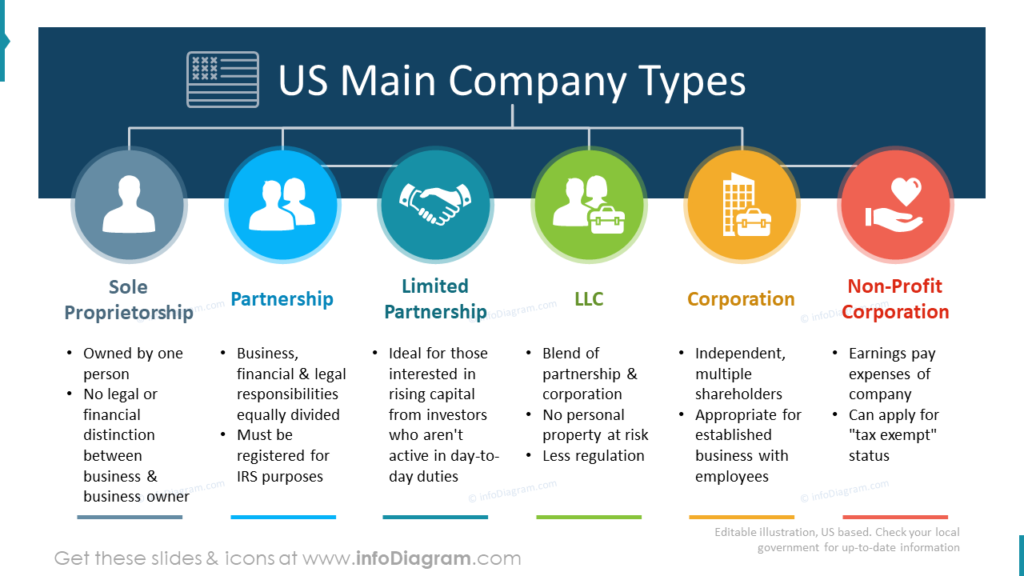 LLCs likewise have much less rigid needs for record-keeping and conferences contrasted to firms, yet keeping arranged and thorough documents is still essential for both legal protections and economic transparency. Routine financial reviews can aid in spotting ineffectiveness and identifying possibilities for development and enhancement. The capacity of an LLC to adapt to the changing requirements of its company and its members is just one of its most useful qualities, cultivating development and assisting in simpler administration.